Inside the New Era of College Sports: 10 Insights on NIL, Revenue Sharing, and Tech Solutions
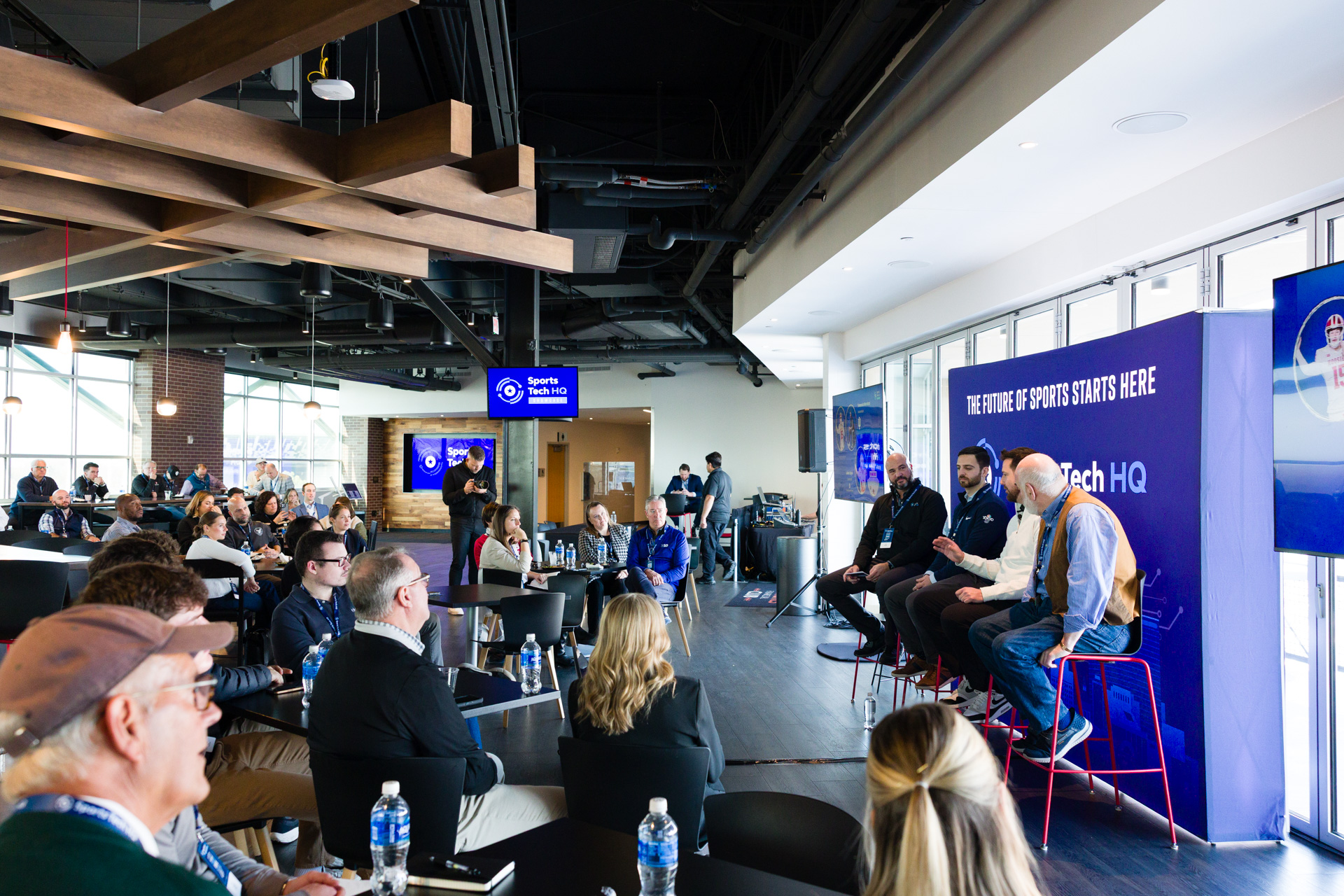
At the Sports Tech HQ Innovation Showcase during Big Ten Championship Weekend, leaders from Indiana University Athletics, NBC Sports, and the Sports Tech HQ collective dug into how NIL and revenue sharing are reshaping college sports in real time. From roster strategy to social intelligence, these takeaways highlight where the modern athletic department is headed next.
The program featured opening remarks from Stephen Harper, Deputy Director of Athletics and Chief Operating Officer at Indiana University Athletics, who oversees IU’s NIL and revenue sharing programs.
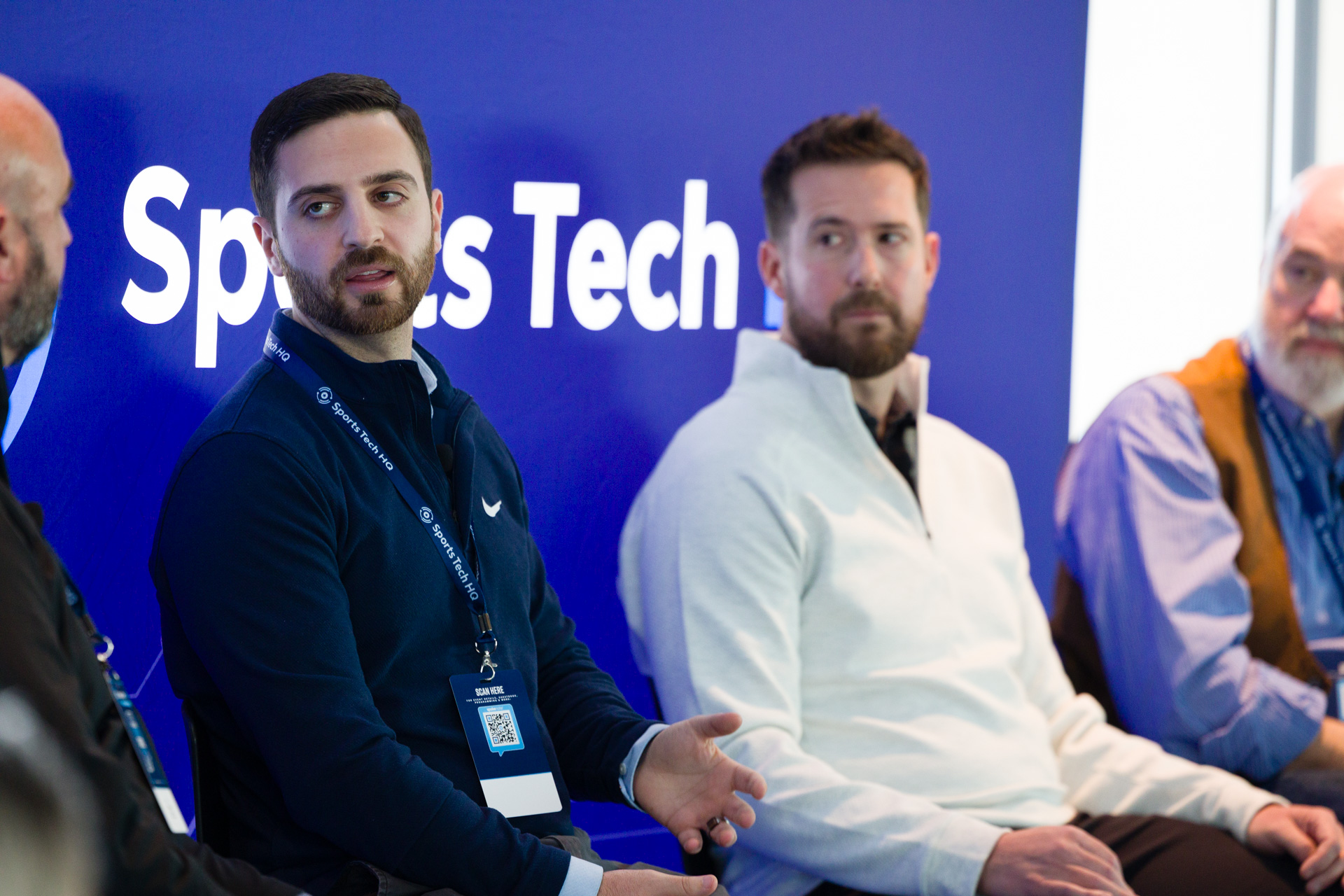
A panel conversation followed, moderated by Jeff Hintz, Executive Director of Sports Tech HQ, with:
-
Eric Scatamacchia, NIL Business Operations, NBC Sports Athlete Direct
-
Brian Spilbeler, Head of Sales, Tracking Football
-
Rhys Ryan, Co-Founder and CEO, Ekkobar
The showcase wrapped with founder spotlights from:
-
Jay Townsend, Co-Founder and CEO, Motion
-
Brian Davidson, Chief Growth Officer, NIL Gameplan
Together, they painted a clear picture of an “athlete economy under construction” and the technology required to keep up.
Here are ten takeaways from the session.
The college athlete economy is under construction
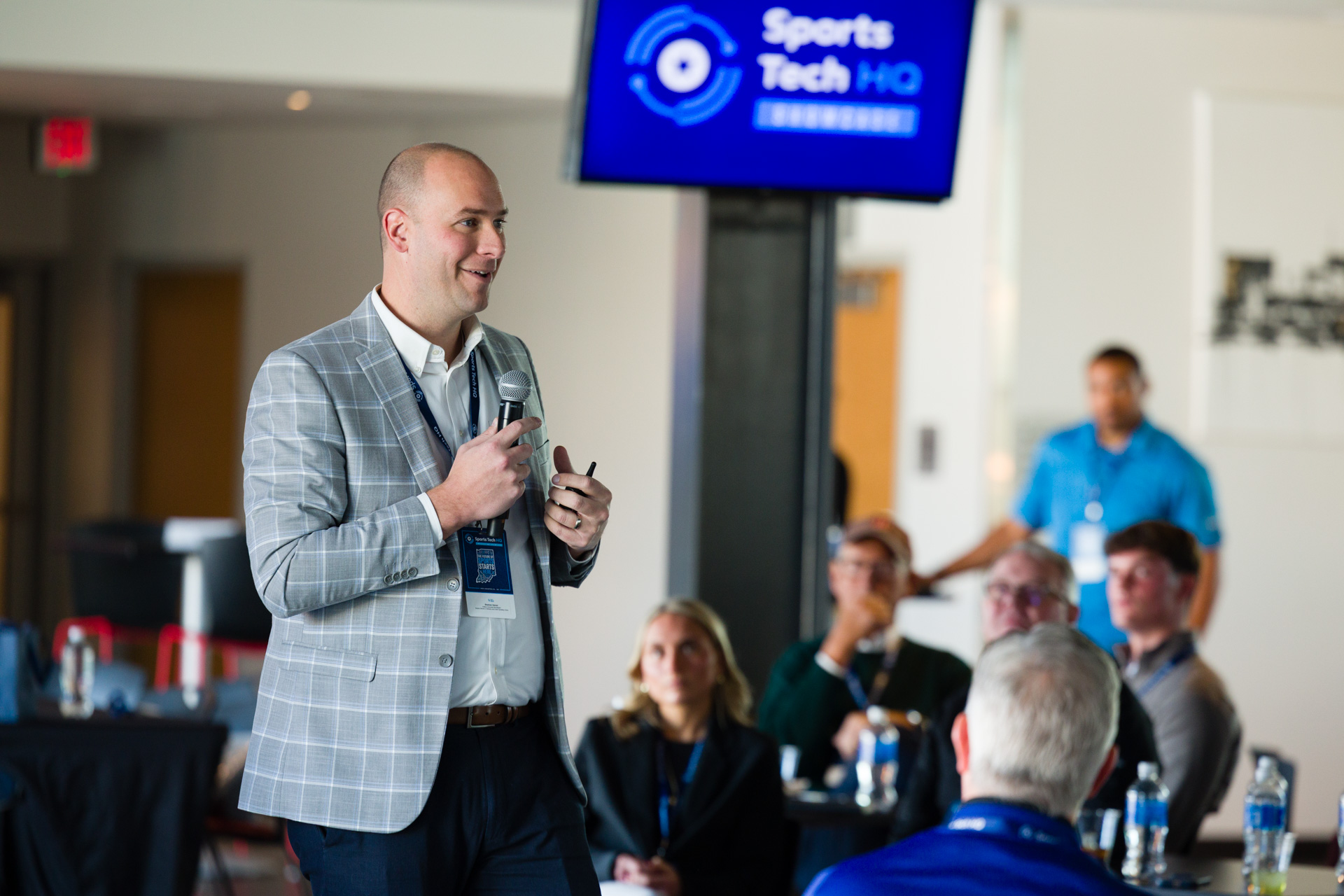 Stephen Harper made it clear that the current model is not a small tweak to the old system. It is a full rebuild.
The Supreme Court’s Alston decision opened the door for NIL to be treated under antitrust scrutiny. That ruling, paired with rapid legal challenges and shifting enforcement, has produced what Harper described as a “wild west” environment for NIL and revenue sharing.
Collectives, class-action settlements, and evolving conference policies are all trying to sit on top of a structure that still carries legacy assumptions about amateurism. The result is an economy that is being rebuilt in real time with new rules, new incentives, and new risks for every stakeholder.
NIL went from free perks to multi-million-dollar decisions
Early NIL conversations focused on small local deals. But as collectives emerged and donor dollars flowed into third-party entities, NIL moved from side hustle to core roster strategy. Deals that once looked like modest perks are now central to how rosters are built, retained, and rebuilt through the portal.
The scale changed almost overnight. What started as a handful of local promotions is now a marketplace where quarterback decisions can swing millions of dollars and season outcomes.
Revenue share caps did not cool the market
The House settlement introduced an in-house revenue sharing model that many hoped would stabilize the landscape. A cap tied to 22 percent of specific athletic revenues created a ceiling of roughly $20.5 million per year for the current cycle.
In theory, that number was high enough that most departments would land below it and pressure on the marketplace would ease. In reality, Power Four programs immediately signaled they would spend up to the cap. Some conferences have already moved away from equal distribution across sports and are concentrating the largest slices in football.
Harper described a basic math problem: no one can truly afford to operate at the full cap indefinitely, yet competitive pressure makes it hard not to try. That gap is increasingly being filled by university subsidies and aggressive fundraising, which raises hard questions about long-term sustainability.
Early adopters will own the next era
Indiana’s approach to revenue sharing and NIL is to lean in rather than wait it out. Harper framed it simply: athletic departments do not get to choose the cards, only how well they play the hand.
That mindset has already shown up in roster decisions. Harper shared how IU locked in quarterback Fernando Mendoza and noted that the outcome of an entire season can be shaped by decisions made in just a few weeks of portal and contract activity.
Schools that treat this as a temporary storm to ride out are already behind. The departments that move fast, build real processes, and embrace the new reality as opportunity rather than inconvenience are those most likely to win on the field and on the balance sheet.
Data is becoming the backbone of roster strategy
On the panel, Brian Spilbeler from Tracking Football walked through how advanced data is changing roster construction. Tracking Football has built one of the most comprehensive verified athletic data sets in the sport, serving the vast majority of Power Four programs, every FBS conference, and multiple NFL teams.
What began as a way to identify and evaluate prospects has quickly become a decision engine for the NIL and revenue sharing era. Their platform now helps:
-
Model rosters across thousands of high school and college athletes
-
Evaluate performance and fit against a program’s system
-
Assign more accurate valuations to players, so departments understand potential return on investment
Instead of whiteboards filled with magnets and handwritten notes, athletic departments are increasingly relying on live data platforms that update with every game, transfer, and stat line. The goal is not to replace coaching judgment but to arm decision-makers with evidence that can stand up to the financial stakes of modern roster moves.
Brands want stories, not just star power
 In the early days of NIL, brands mostly asked for the biggest name they recognized. Eric Scatamacchia shared that when NBC Sports Athlete Direct first launched, many conversations started with, “Can you get us Caleb Williams?”
That thinking has evolved. Advertisers are now more interested in athletes whose stories align with their campaigns, regardless of sport or follower count. Athlete Direct helps brands:
-
Define the campaign story and target audience
-
Identify athletes whose values, content, and personal narratives match that story
-
Handle onboarding, contracts, content production, compliance, and payment in a single managed workflow
The shift is meaningful: NIL is moving away from pure reach and toward relevance. A volleyball player with a deeply engaged community and the right voice can be more valuable than a star in a revenue sport whose social presence does not match the brand’s message.
AI over social is becoming a competitive advantage
Rhys Ryan, Co-Founder and CEO of Ekkobar, described how their platform applies AI to social media in a way that goes far beyond surface metrics. Ekkobar spent years in R&D building technology that can understand not just how often something is mentioned but what those conversations actually mean.
Their MIRA product effectively acts as a search engine over social media. Instead of teams and agencies manually scrolling feeds and timelines to find athletes who “feel right” for a brand, MIRA can:
-
Filter athletes based on how they talk about specific products, trends, or lifestyle themes
-
Surface creators whose existing content already mirrors a campaign concept
-
Compress weeks of research into seconds
For universities, Ekkobar is pairing this technology with education content and masterclasses to help athletes grow their personal brands more intentionally. For agencies and brands, it shortens the path to the right fit and reduces the risk of mismatched partnerships.
The calendar is relentless and systems are no longer optional
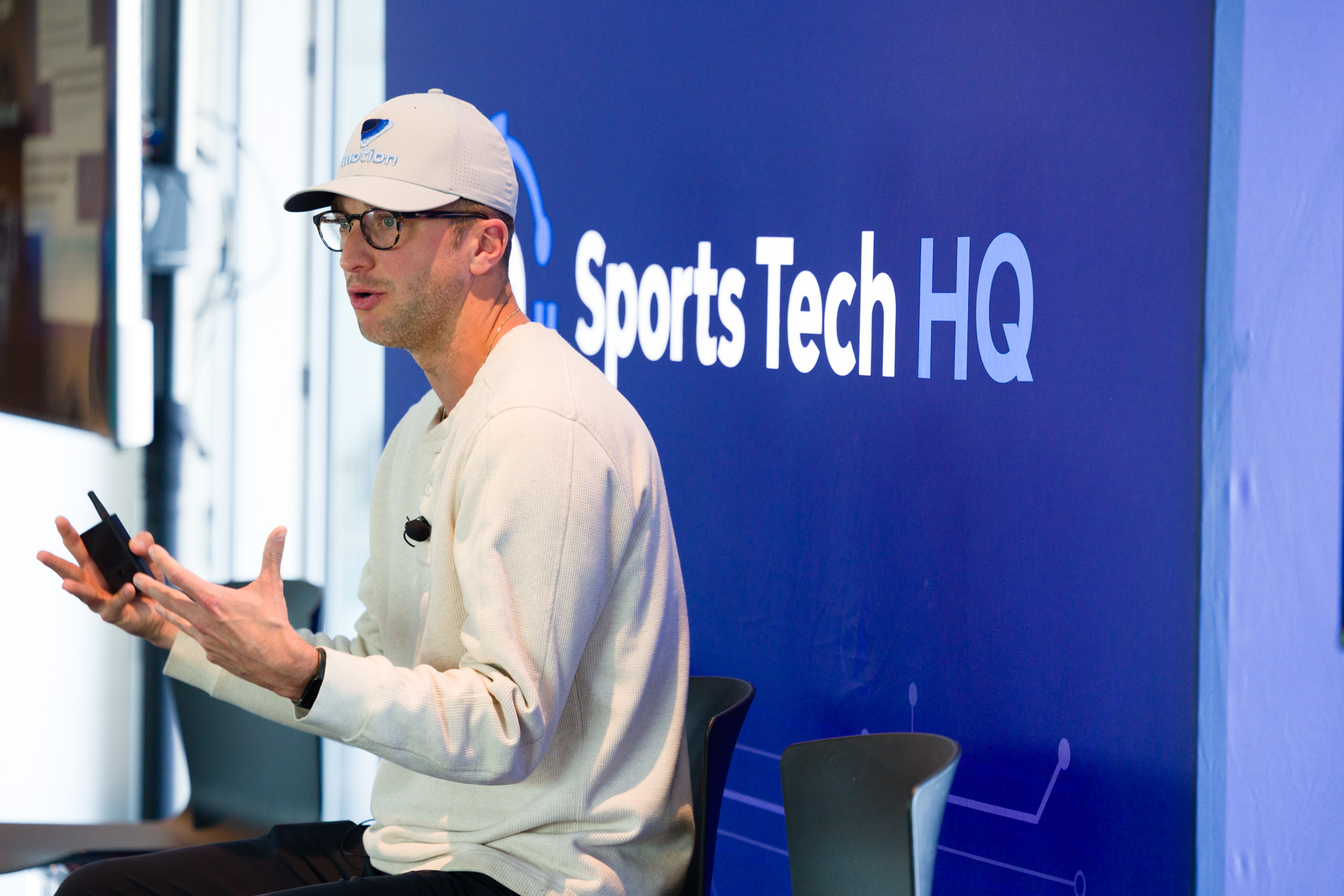 When asked to rate the turbulence of NIL and revenue sharing on a scale of one to ten, panelists landed between eight and nine. Importantly, they felt that number was just as high two years ago, even if the reasons shifted.
Between coaching changes, portal windows, recruiting cycles, revenue share negotiations, and postseason play, Harper and the panelists agreed that the current calendar is not sustainable. Entire rosters, coaching staffs, and budget decisions are now compressed into a handful of frantic weeks.
That is why systems are becoming non-negotiable.
Motion, led by Co-Founder and CEO Jay Townsend, positions itself as the operating system for the modern athletic department. Motion’s platform helps departments:
-
Manage scheduling, communication, and facility usage
-
Streamline compliance workflows and time-demand tracking
-
Move revenue share dollars efficiently while respecting tax and contractor status
-
Connect day-to-day operations so coaches, staff, and athletes are all working from the same source of truth
The message was clear: athletic departments can no longer run on spreadsheets, inboxes, and hallway conversations. To survive the calendar, they need technology that turns chaos into something closer to a system.
Education and protection are now table stakes for athletes and families
NIL is no longer a niche opportunity for a small group of stars. It is a widespread reality that touches high school prospects, college athletes in every sport, and their families.
Brian Davidson, Chief Growth Officer at NIL Gameplan, framed it this way: the opportunity is enormous, but so is the risk for those navigating it without guidance. NIL Gameplan’s platform is designed to help student-athletes and parents:
-
Understand contracts, taxes, and business basics
-
Build an NIL “game plan” through interactive classes and workshops
-
Receive their first NIL deal in a controlled, educational environment
-
Tap into ongoing content, live sessions, and community support
Longer term, NIL Gameplan is building toward AI-powered representation and tools that can scale legal and strategic support to athletes who would never land on a traditional agency’s radar.
The underlying theme was simple but important: access to NIL opportunity without access to education is a recipe for regret.
Indiana’s sports tech ecosystem is built for this moment

The showcase also highlighted something bigger than any single product.
-
Ekkobar moved its company to Indiana and is building its Social Decision Intelligence platform from Indianapolis.
-
Motion was founded by IU alums and is growing its team between Indianapolis and Bloomington.
-
Tracking Football, NIL Gameplan, and others in the Sports Tech HQ collective are using Indiana as a launchpad to serve conferences and brands across the country.
By convening athletic leaders, founders, and ecosystem partners during a marquee championship weekend, Sports Tech HQ showcased what a modern sports tech hub looks like. It is not just about one big event or one breakthrough startup. It is the combination of:
-
Athletic departments willing to experiment
-
Companies building solutions for real problems in NIL and revenue sharing
-
A state-level ecosystem committed to turning innovation into long-term economic impact
As NIL and revenue sharing continue to evolve, the schools and startups that treat this era as “under construction” – and keep building anyway – are the ones most likely to shape what comes next. Indiana, and the sports tech companies now calling it home, are already leaning in.
Dec 10 2025
-
Staff News